
```html
Beginner’s Guide to Adding Coolant to Your Vehicle
Imagine this: You’re cruising down the highway on a sunny afternoon, windows down, music up. Suddenly, you notice your temperature gauge creeping higher and higher. Panic sets in. Overheating can cause serious engine damage, and no one wants to be stranded on the side of the road. One of the easiest ways to prevent this scenario is by understanding and maintaining your car’s coolant levels. This guide is designed to empower you to safely and confidently add coolant to your vehicle, saving you money on expensive mechanic visits and contributing to the longevity of your car.
Why Coolant Matters: More Than Just Keeping Things Cool
Coolant, also known as antifreeze, plays a vital role in regulating your engine's temperature. It's not just about preventing overheating in the summer; it also prevents freezing in the winter. Here’s a breakdown of why coolant is so important:
- Heat Dissipation: As your engine runs, it generates a tremendous amount of heat. Coolant circulates through the engine, absorbing this heat and transferring it to the radiator, where it's dissipated into the air.
- Freeze Protection: Coolant contains antifreeze agents that lower the freezing point of the fluid, preventing it from solidifying and potentially cracking your engine block in cold weather.
- Corrosion Prevention: Modern coolants contain additives that inhibit rust and corrosion within your engine and cooling system. This helps to extend the life of these components.
- Lubrication: Coolant also provides some lubrication for water pump seals and other cooling system parts, reducing wear and tear.
Neglecting your coolant can lead to a variety of problems, including:
- Overheating: The most obvious consequence, potentially causing severe engine damage like warped cylinder heads or cracked blocks.
- Freezing: As mentioned, frozen coolant can crack your engine block, requiring expensive repairs or even engine replacement.
- Corrosion: Rust and corrosion can clog the cooling system, reducing its efficiency and leading to overheating. They can also damage the radiator, water pump, and hoses.
- Reduced Lifespan: Ultimately, neglecting your cooling system will shorten the lifespan of your engine and other vital components.
Choosing the Right Coolant: Not All Coolants Are Created Equal
Selecting the correct coolant for your vehicle is crucial. Using the wrong type can lead to corrosion, damage, and reduced performance. Here’s what you need to know:
- Read Your Owner’s Manual: This is the most important step. Your owner's manual will specify the exact type of coolant recommended for your vehicle. Follow these recommendations precisely.
- Coolant Types: There are several different types of coolant available, each with its own color and chemical composition. Common types include:
- IAT (Inorganic Additive Technology): Typically green, older formulation, generally not suitable for newer vehicles.
- OAT (Organic Acid Technology): Typically orange, red, or pink, long-life coolant suitable for many modern vehicles.
- HOAT (Hybrid Organic Acid Technology): Typically yellow, a hybrid formulation that combines the benefits of IAT and OAT.
- P-OAT (Phosphated Organic Acid Technology): Typically blue, commonly used in Asian vehicles.
- Mixing Coolant Types: Never mix different types of coolant. Mixing incompatible coolants can create a chemical reaction that forms sludge and can damage your cooling system.
- Pre-mixed vs. Concentrated: Coolant is available in both pre-mixed (50/50 coolant and distilled water) and concentrated forms. If you buy concentrated coolant, you must dilute it with distilled water before adding it to your vehicle. Using tap water can introduce minerals that cause corrosion. The typical ratio is 50/50, but check the instructions on the coolant container.
Expert Recommendation: When in doubt, consult your owner’s manual or a trusted mechanic. They can help you determine the correct coolant for your vehicle.
Step-by-Step Guide to Adding Coolant
Now that you understand the importance of coolant and how to choose the right type, let's walk through the process of adding coolant to your vehicle:
- Safety First:
- Allow the Engine to Cool Completely: Never attempt to add coolant to a hot engine. Wait until the engine is completely cool to the touch. Opening the radiator cap on a hot engine can result in severe burns from pressurized hot coolant.
- Wear Safety Glasses and Gloves: Coolant can irritate your skin and eyes.
- Work in a Well-Ventilated Area: Coolant fumes can be harmful if inhaled.
- Locate the Coolant Reservoir: The coolant reservoir is a translucent plastic container, usually located near the radiator or engine. It's typically marked with "Coolant" or a similar label. It will have "Min" and "Max" lines indicated on the side.
- Check the Coolant Level: Observe the coolant level in the reservoir. It should be between the "Min" and "Max" lines. If it's below the "Min" line, you need to add coolant.
- Open the Radiator Cap (Carefully!): If the reservoir is empty and you suspect a leak, or if you want to check the coolant directly in the radiator, carefully open the radiator cap. Use a rag to protect your hand and slowly release any pressure by turning the cap slightly before fully removing it. Again, only do this when the engine is completely cool.
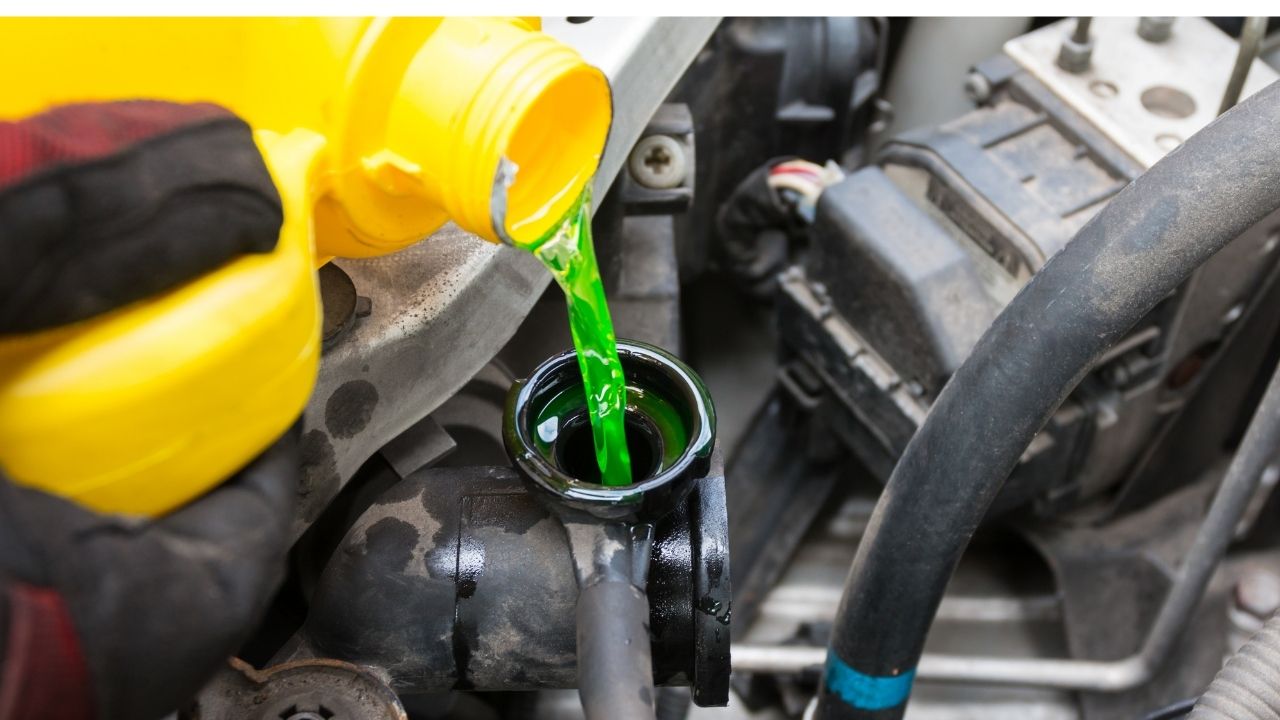
- Add Coolant: Slowly pour coolant into the reservoir until it reaches the "Max" line. If adding coolant directly to the radiator (engine cool!), fill it to the top.
- Replace the Radiator Cap and Reservoir Cap: Ensure that both caps are securely tightened.
- Check for Leaks: After adding coolant, start the engine and let it run for a few minutes. Check for any leaks around the radiator, hoses, and coolant reservoir.
- Monitor the Coolant Level: Over the next few days, monitor the coolant level in the reservoir. If it drops significantly, you may have a leak that needs to be addressed.
Important Note: If you consistently need to add coolant, it indicates a potential leak in your cooling system. Have your vehicle inspected by a qualified mechanic to identify and repair the leak.
Improving MPG and Reducing Your Carbon Footprint
Maintaining your vehicle's cooling system not only protects your engine but can also contribute to improving MPG (miles per gallon) and reducing your carbon footprint. An efficiently running engine is a fuel-efficient engine. Here’s how:
- Optimal Engine Temperature: When your engine operates at its optimal temperature, it burns fuel more efficiently. Proper coolant levels ensure that your engine reaches and maintains this ideal temperature.
- Reduced Wear and Tear: A well-maintained cooling system reduces wear and tear on your engine, extending its lifespan and reducing the need for repairs and replacements. This, in turn, reduces the environmental impact associated with manufacturing new parts.
- Preventative Maintenance: Regularly checking and maintaining your coolant levels is a part of preventative maintenance, which helps to keep your vehicle running smoothly and efficiently. Incorporating eco-friendly driving habits like smooth acceleration and consistent speed can also significantly improve fuel economy.
By taking proactive steps to care for your car, including maintaining the coolant levels, you are contributing to fuel economy tips and helping reduce carbon footprint on the road.
Dealing with Coolant Leaks
Coolant leaks can be a common issue, and it's important to address them promptly to prevent engine damage. Here are some common causes of coolant leaks and how to deal with them:
- Hose Leaks: Hoses can become brittle and crack over time, leading to leaks. Inspect your hoses regularly for signs of cracking, swelling, or leaks. Replace any damaged hoses immediately.
- Radiator Leaks: Radiators can develop leaks due to corrosion or physical damage. Look for signs of coolant stains around the radiator. A leaking radiator may need to be repaired or replaced.
- Water Pump Leaks: The water pump circulates coolant through the engine. Leaks around the water pump are often a sign that the pump is failing and needs to be replaced.
- Head Gasket Leaks: A blown head gasket can cause coolant to leak into the engine oil or combustion chambers. This is a serious issue that requires immediate attention from a qualified mechanic. Signs of a head gasket leak include white smoke from the exhaust, milky oil, and overheating.
If you suspect a coolant leak, it's important to have your vehicle inspected by a mechanic as soon as possible. Ignoring a leak can lead to serious engine damage and expensive repairs.
FAQ: Frequently Asked Questions About Coolant
How often should I check my coolant level?
You should check your coolant level at least once a month, or more frequently if you suspect a leak.
Can I use water instead of coolant?
While you can use water in an emergency, it's not recommended as a long-term solution. Water lacks the antifreeze and corrosion protection properties of coolant and can lead to engine damage. Distilled water is preferable to tap water if you must use water, but coolant should be added as soon as possible.
What does it mean if my coolant is a rusty color?
Rusty-colored coolant indicates that there is rust and corrosion in your cooling system. You should flush the system and replace the coolant as soon as possible to prevent further damage.
Can I add coolant directly to the radiator if the reservoir is full?
No, if the reservoir is full, adding coolant directly to the radiator is unnecessary and may cause overflow. The coolant system is designed to draw from the reservoir, so filling it is the correct approach.
Is there a difference between coolant and antifreeze?
The terms are often used interchangeably, but "coolant" is a broader term. "Antifreeze" is the concentrated additive that prevents freezing and boiling. Coolant is usually a mixture of antifreeze and water.
How do I dispose of old coolant safely?
Coolant is toxic and should not be poured down the drain or onto the ground. Many auto parts stores and recycling centers will accept used coolant for proper disposal. Check with your local municipality for specific regulations.
Conclusion: Stay Cool, Save Money, and Protect the Environment
Adding coolant to your vehicle is a simple yet essential maintenance task that can save you money, prevent costly repairs, and contribute to a more sustainable driving experience. By understanding the importance of coolant, choosing the right type, and following the steps outlined in this guide, you can confidently maintain your cooling system and keep your engine running smoothly for years to come. Remember that proper maintenance not only extends the life of your car but also contributes to improving MPG and reducing your carbon footprint. So, pop the hood, check your coolant level, and enjoy the peace of mind that comes with knowing you're taking care of your vehicle and the environment.
```

Posting Komentar