
```html
What Engine Mounts Do in a Car: Keeping Your Ride Smooth and Saving You Money
Ever felt a weird vibration in your car, especially when idling at a stoplight? Or maybe a clunk when you accelerate? It might not be a major engine problem. More often than you think, the culprit is something far less intimidating: your engine mounts. While they may not be the flashiest car part, engine mounts are crucial for a smooth, quiet, and efficient ride. Ignoring worn-out engine mounts can lead to bigger, more expensive problems down the road. Let’s dive into what these unsung heroes do and how taking care of them can actually save you money and even contribute to more eco-friendly driving.
The Vital Role of Engine Mounts: More Than Just Holding Things in Place
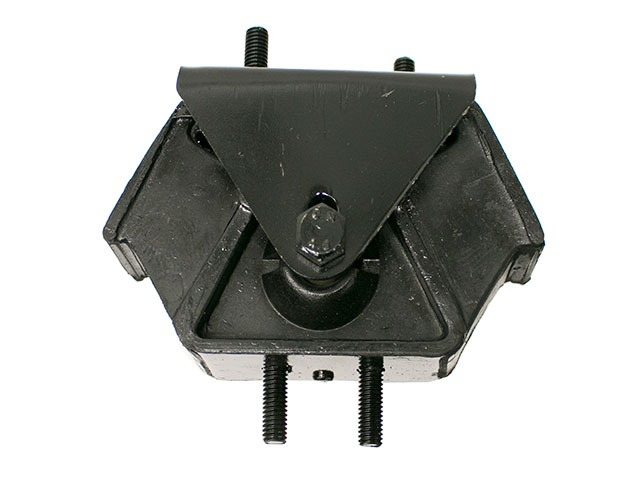
Engine mounts are the unsung heroes of your car, quietly working to keep everything running smoothly. Their primary job is deceptively simple: to secure the engine and transmission to the car's frame. However, their role extends far beyond just holding things in place. Think of them as vibration dampeners, absorbing the constant movement and vibrations generated by the engine as it runs. Without them, you’d feel every single rumble and shake inside the cabin, making for a very uncomfortable driving experience.
Here’s a more detailed breakdown of their responsibilities:
- Vibration Isolation: This is the big one. Engine mounts are designed to absorb engine vibrations, preventing them from transferring to the chassis and into the passenger compartment. This dramatically improves ride comfort and reduces noise.
- Engine Stability: They securely hold the engine in place, preventing it from shifting or moving excessively, especially during acceleration, braking, and cornering. This ensures proper alignment with the drivetrain and prevents damage to other components.
- Noise Reduction: By minimizing vibrations, engine mounts also reduce the amount of noise that makes its way into the cabin. This creates a quieter and more pleasant driving experience.
- Protection of Components: Excessive engine movement can strain hoses, wires, and other components connected to the engine. Engine mounts help prevent this damage by keeping the engine stable.
Types of Engine Mounts: A Quick Overview
Engine mounts come in a few different flavors, each with its own strengths and weaknesses. Understanding the differences can help you make informed decisions about replacement or upgrades.
- Rubber Mounts: These are the most common type and are known for their excellent vibration damping capabilities and affordability. They consist of rubber or a similar elastomer bonded to metal plates. However, rubber can degrade over time, leading to cracking and reduced effectiveness.
- Hydraulic Mounts: These mounts use fluid-filled chambers to provide even better vibration isolation than rubber mounts. They are often found in higher-end vehicles. They are more expensive and can be prone to leaking.
- Urethane Mounts: These are stiffer than rubber mounts and offer improved durability and performance, particularly in high-performance applications. However, they transmit more vibration into the cabin, making for a less comfortable ride in everyday driving. They are a good option for track cars or those who prioritize performance over comfort.
- Electronic Mounts: Found in some modern vehicles, these mounts use sensors and actuators to actively adjust their damping characteristics based on driving conditions. They offer the best of both worlds – good vibration isolation and improved performance. They are the most complex and expensive type of engine mount.
Signs of Failing Engine Mounts: Listen to Your Car
Recognizing the symptoms of failing engine mounts is crucial for preventing further damage and keeping your car running smoothly. Here are some common signs to watch out for:
- Excessive Vibrations: This is often the first and most noticeable sign. You might feel vibrations in the steering wheel, seats, or floorboards, especially when the engine is idling or under load.
- Clunking or Banging Noises: You might hear a clunking or banging noise when accelerating, braking, or going over bumps. This is caused by the engine shifting and hitting the frame.
- Rough Shifting: Worn engine mounts can cause the engine and transmission to move excessively, making shifting feel rough or jerky.
- Visual Inspection: You can often visually inspect the engine mounts for cracks, tears, or other signs of damage. Look for fluid leaks if you have hydraulic mounts. A sagging engine can also be a telltale sign.
Ignoring these symptoms can lead to more serious problems, such as:
- Damage to other components: Excessive engine movement can strain hoses, wires, and other engine components, leading to premature failure.
- Drivetrain damage: Misalignment caused by worn engine mounts can put stress on the transmission and other drivetrain components.
- Reduced fuel economy: Believe it or not, engine mounts can indirectly impact your fuel economy. A misaligned engine can cause the drivetrain to work harder, reducing MPG. Keeping your car in top condition, including healthy engine mounts, contributes to improving MPG and embracing eco-friendly driving habits.
Replacing Engine Mounts: DIY or Professional?
Replacing engine mounts can be a straightforward job for experienced DIY mechanics, but it can also be challenging and potentially dangerous if you're not familiar with working on cars. Here’s a breakdown to help you decide whether to tackle the job yourself or take it to a professional.
DIY Replacement (Pros):
- Cost Savings: You'll save on labor costs, which can be significant.
- Personal Satisfaction: There's a certain satisfaction in completing a repair yourself.
DIY Replacement (Cons):
- Requires Mechanical Skills: You need to be comfortable working on cars and have the necessary tools.
- Safety Concerns: Working under a car can be dangerous if proper safety precautions are not taken. You'll need jack stands, wheel chocks, and other safety equipment.
- Potential for Mistakes: If you're not careful, you could damage other components or install the new mounts incorrectly.
Professional Replacement (Pros):
- Experience and Expertise: Mechanics have the experience and expertise to diagnose the problem accurately and replace the mounts correctly.
- Warranty: Most professional repairs come with a warranty, providing peace of mind.
- Convenience: You don't have to worry about buying tools or getting your hands dirty.
Professional Replacement (Cons):
- Higher Cost: Labor costs can significantly increase the overall cost of the repair.
If you decide to tackle the job yourself, here are some general steps (always consult your car's repair manual for specific instructions):
- Gather your tools and materials: You'll need new engine mounts, a jack, jack stands, sockets, wrenches, a torque wrench, and possibly an engine support bar.
- Safely lift the car: Use a jack to lift the car and secure it with jack stands. Never work under a car supported only by a jack.
- Support the engine: Use an engine support bar or a floor jack with a piece of wood to support the engine from below. This is crucial to prevent the engine from dropping when you remove the mounts.
- Remove the old mounts: Carefully remove the bolts holding the old mounts in place. You may need to loosen or remove other components to gain access.
- Install the new mounts: Install the new mounts in the reverse order of removal, making sure to torque the bolts to the manufacturer's specifications.
- Lower the car: Carefully lower the car and remove the jack stands.
- Test drive: Take the car for a test drive to make sure everything is working properly.
Maintaining Engine Mounts for Longevity: Small Efforts, Big Rewards
While engine mounts will eventually need to be replaced, there are things you can do to extend their lifespan. Adopting eco-friendly driving habits often translates to gentler wear and tear on your vehicle, including the engine mounts.
- Avoid harsh acceleration and braking: Aggressive driving puts extra stress on the engine mounts. Smooth acceleration and braking can help prolong their life. This also falls in line with fuel economy tips designed to reduce carbon footprint.
- Address other engine problems promptly: Engine misfires or other problems can cause excessive vibrations, which can damage the engine mounts.
- Inspect your engine mounts regularly: Visually inspect your engine mounts for cracks, tears, or other signs of damage. Catching problems early can prevent them from escalating.
By taking care of your engine mounts, you're not just ensuring a smoother ride, you're also protecting your engine and drivetrain from damage, improving MPG, and contributing to a more sustainable driving experience. It's a win-win!
Cost Considerations: Investing in Quality
The cost of replacing engine mounts can vary depending on the type of mount, the make and model of your car, and whether you do the work yourself or hire a professional. Rubber mounts are generally the most affordable, while hydraulic and electronic mounts are more expensive. Labor costs can also vary depending on the complexity of the job.
While it may be tempting to save money by buying cheap aftermarket engine mounts, it's generally best to invest in quality parts from a reputable manufacturer. Cheap mounts may not provide adequate vibration isolation or last as long as higher-quality mounts. This can end up costing you more in the long run.
Think of it as an investment. Quality engine mounts contribute to the overall longevity and efficiency of your vehicle, aligning with eco-friendly driving habits and helping you save money on repairs down the road. They are a small investment with a potentially large return.
FAQ: Your Engine Mount Questions Answered
How long do engine mounts typically last?
Engine mounts typically last between 50,000 and 100,000 miles, but this can vary depending on driving conditions and the type of mount.
Can I drive with a broken engine mount?
It's not recommended. Driving with a broken engine mount can cause damage to other components and is unsafe.
Are polyurethane engine mounts worth it?
Polyurethane mounts offer improved performance and durability but transmit more vibration into the cabin. They are best suited for high-performance applications.
Will replacing engine mounts improve my gas mileage?
Indirectly, yes. By ensuring proper engine alignment and reducing drivetrain stress, replacing worn engine mounts can contribute to better fuel economy.
How can I tell if my engine mounts are bad without looking at them?
Listen for clunking noises when accelerating or braking, and feel for excessive vibrations, especially when idling.
Is it necessary to replace all engine mounts at the same time?
While not always necessary, it's often recommended to replace all engine mounts at the same time to ensure even support and prevent future problems. If one is failing, the others may be close behind.
Conclusion: A Smooth Ride and a Healthy Engine
Engine mounts are small but mighty components that play a vital role in your car's overall performance, comfort, and longevity. By understanding what they do, recognizing the signs of failure, and taking proper care of them, you can ensure a smooth ride, protect your engine, improve your fuel economy, and reduce your carbon footprint. Don't overlook these unsung heroes – they're worth paying attention to. Schedule a check-up for your engine mounts today and experience the difference a well-maintained car can make!
```

Posting Komentar